
Australian special Force SASR deployment to middle east
Australia has reportedly placed elements of the Special Air Service Regiment (SASR) on standby for potential deployment to the Middle East, as regional tensions continue to evolve and allied nations review contingency plans.
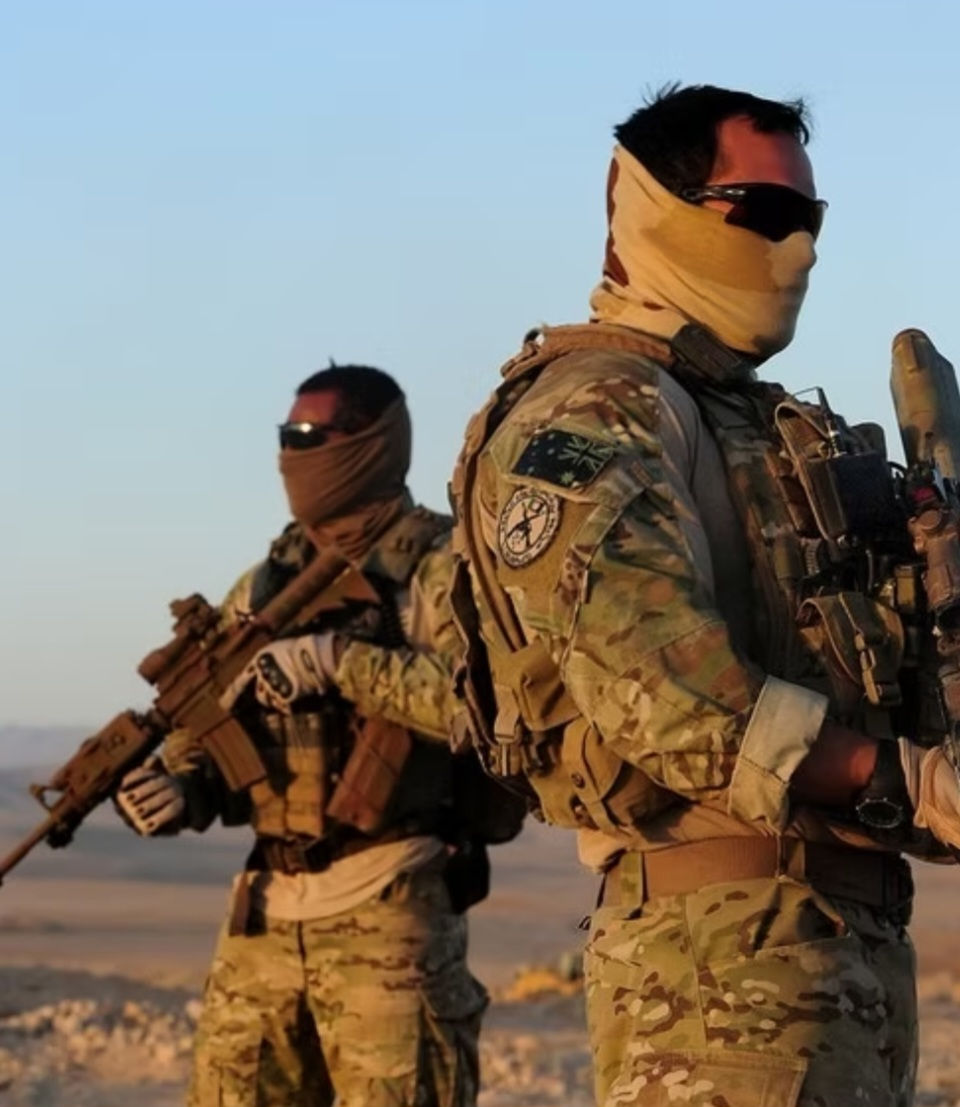
The move is understood to be precautionary in nature, with Australian defence officials preparing rapid response capabilities should conditions deteriorate or allied support be requested.Reports indicate that SASR personnel have been placed on heightened readiness, allowing for rapid deployment if required.
Such preparations typically involve increased training cycles, logistics planning, and coordination with allied forces.
The Special Air Service Regiment is Australia’s premier special forces unit, specializing in
Counter terrorism operations
Direct action missions
Reconnaissance and surveillance
Hostage rescue operations
Advisory and partner force training.
Historically, SASR units have deployed to the Middle East in support of coalition operations, including missions in Iraq, Afghanistan, and broader regional security efforts.
The Australian Defence Force regularly places special operations units on standby during periods of increased global instability, particularly in regions where Australian forces or citizens may be affected.
Officials have not confirmed a specific deployment timeline, and no formal decision to deploy forces has been announced.If activated, SASR personnel could deploy rapidly using Royal Australian Air Force strategic airlift assets, including C-17 Globemaster and C-130 aircraft.
This capability allows Australian special forces to deploy globally within short timeframes.
Australia maintains close operational ties with key allies including the United States, United Kingdom, and regional partners, often contributing special operations forces to coalition missions.
While SASR units have reportedly been placed on standby, officials emphasize that this does not necessarily indicate an imminent deployment. Rather, it reflects standard military contingency planning during periods of uncertainty.
Australia has previously adopted similar readiness measures before deciding whether to commit forces to overseas operations.

Comments